Know what the work includes
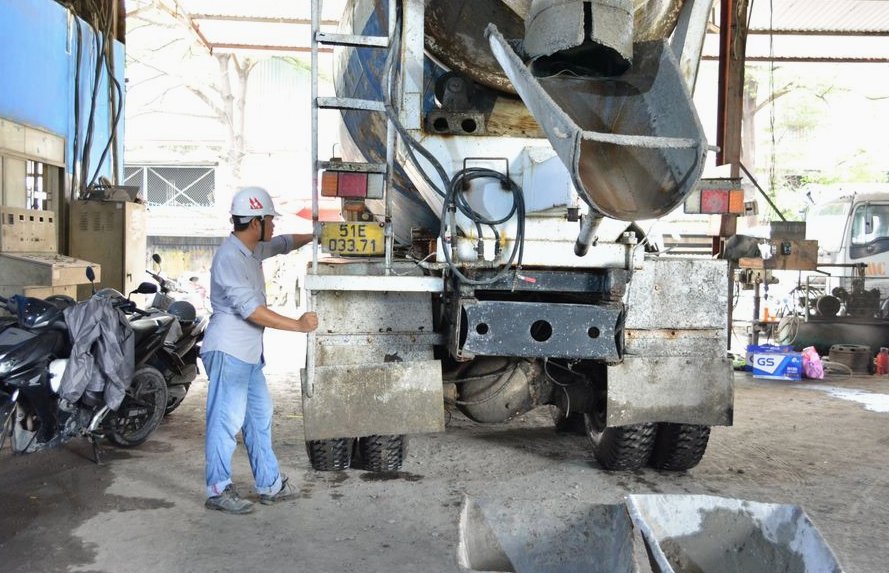
"Concrete service" can mean a full driveway, cutting around an existing section, or a new placement that includes rebar or wire mesh. We define the scope before any concrete is poured so the placement matches the intended area, including how cutting and reinforcement fit into the same job rather than getting treated as separate afterthoughts.
What we watch during placement
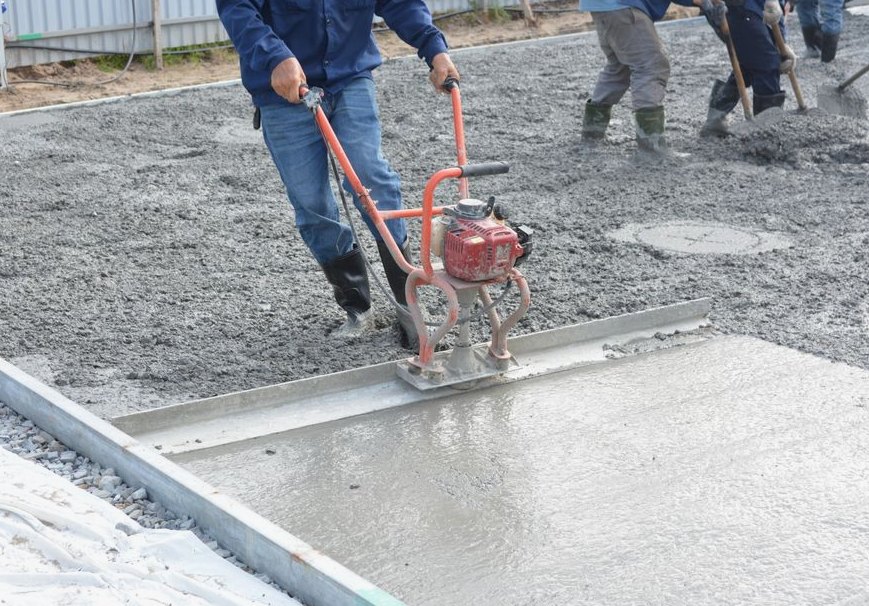
Once wet concrete goes into the forms, we work it into the corners so they're filled completely rather than just topped off. From there we spread and consolidate the mix so the aggregate is covered and the mix is even throughout the forms, not just at the surface. Filling forms, reaching corners, spreading, and consolidating are treated as one connected step, not a checklist to rush through once the top looks full.
Reinforcement stays part of the plan
Rebar and wire mesh are the reinforcement options for our concrete work, and when either is included, it's built into the placement plan from the start rather than decided once concrete is already in the forms. Homeowners should know upfront whether their scope includes rebar, wire mesh, or neither, so two quotes that both say "concrete driveway" can actually be compared. Reinforcement and finish are separate line items: a standard broom finish describes the surface, rebar and wire mesh describe what's underneath it.
Understanding the listed driveway price
The listed price for a standard broom-finish driveway, installed, is $6-$12. That range applies to that specific scope. It shouldn't be assumed to cover concrete cutting or reinforcement decisions on top of it, since those are separate parts of a job that get priced separately. When comparing quotes, confirm the number is tied to an installed standard broom-finish driveway and ask what it does or doesn't include.
Permit information to check in Tampa
Hillsborough County charges a $50 Access Type I residential driveway application fee for access permits where average daily traffic is under 50 vehicles - most residential driveways fall into that category. Inside city limits, the City of Tampa's Residential Driveways page is the dedicated permit resource for this type of work. Get the permit question settled while the scope is being defined, separate from the physical work of forming, pouring, and finishing the concrete.
Local Conditions in Tampa
Local factors we account for around Tampa:
Climate
- humidity load that stresses building envelopes
- occasional light winter freezes
- Hurricane/storm exposure: high.
- Annual precipitation ~49.5 in. Rainy season June–September; wettest month August (~9.0 in), driest November (~1.4 in). NOAA Climate Normals 1991–2020.
Soil & Ground
- local soils formed in altered marine deposits — the geology doing the moving under area foundations. Source: USDA NRCS Web Soil Survey.
- Secondary soil series: Pomello (FS). Moderately well drained. Source: USDA NRCS Web Soil Survey.
Local Notes
- Housing tenure: 50% owner-occupied, 50% renter-occupied. Source: U.S. Census ACS.
- Housing stock: median year built 1984. Source: U.S. Census ACS.
- Median household income $71,302. Source: U.S. Census ACS.
- Serving Tampa, FL and surrounding communities.
Inside the Job
Examples of the work involved, start to finish.
What to Expect
-
Tell Us What's Going On
Tell us what you're seeing and when it started — you'll get a straight answer, not a sales pitch.
-
We Take a Look
We come out, measure what's actually happening, and walk you through what we find.
-
Clear, Written Quote
You get the scope and the price in writing before any work starts. No surprises.
-
We Do the Work
We complete the repair, verify it solved the problem, and stand behind the work.
In practice, on a job like this:
- Finish the surface with the chosen texture, such as broom finish, trowel finish, or stamped finish[14].
- Protect and cure the slab after finishing, commonly with plastic sheeting or curing compound[14].
What It Typically Costs
Typical ranges, not a fixed price - the exact number is confirmed in writing before work starts.
$8–$18
$8–$18
Related Services
Our Service Area
Crews serve Tampa, FL. Call (813) 471-5637 to confirm coverage for your address.
Why Tampa Homeowners Call
- Free EstimatesYou pay for work, never for the quote.
- You approve the scope before we startThe work matches what you agreed to, line for line.
- No surprise chargesThe bill matches the quote — extras get your OK first.
- We answer the phone ourselvesWhen you call, someone who knows your job answers.
Straight Answers
(813) 471-5637Get a free estimate today — call (813) 471-5637.
Get My Free Estimate